

In an exclusive interview with Jobs4Football as the company supports his transition from playing to coaching, we sit down with Andy Lonergan, a goalkeeper whose illustrious career has seen him grace the pitches of Preston North End, Fulham, Leeds United, and Liverpool. Now, Lonergan brings his wealth of experience to Wigan Athletic as their Player-Goalkeeper Coach, a role he assumed in June 2024. With over two decades of professional experience between the sticks, Lonergan's transition into coaching marks an exciting new chapter in his football journey.
As we delve into his insights, we look forward to hearing about the lessons he's learned from his time working alongside some of the world's top goalkeepers, including Alisson Becker and Jordan Pickford. We're eager to explore how these experiences have shaped his coaching philosophy and how he plans to impart his knowledge to the next generation of goalkeepers. Additionally, we're interested in understanding Lonergan's plans for his future in coaching, as he seeks to make a lasting impact on the sport he loves. From his early days as a young goalkeeper to his current role as a coach and mentor, Lonergan's story is one of dedication, resilience, and a definite passion for the beautiful game. Lets dive into the questions:
A: Over my 25-year career as a professional goalkeeper, I’ve had the privilege of working with many top coaches, particularly in the later stages of my career when I transitioned to working with foreign coaches. This shift was challenging at first, as it required me to move away from the traditional English old-school coaching style to embrace modern, diverse approaches. However, this experience profoundly shaped my perspective and has been instrumental in defining my future pathway in coaching.
As a coach now, my philosophy is structured on evolution and adaptability. My primary pillar is intensity—ensuring every minute of training sessions and matchdays is executed with focus and energy. Attention to detail is paramount; I believe that every ball deserves respect. While perfection may not always be attainable, striving for it consistently leads to excellence. My ultimate responsibility is to identify areas for improvement in my goalkeepers every single day, both on and off the pitch.
This philosophy incorporates different styles and techniques I’ve learned over the years, blending traditional methods with innovative approaches. By fostering this environment of growth and precision, I aim to develop goalkeepers who are not only technically proficient but also mentally resilient and tactically astute.
The game has evolved massively since I made my debut, but for me, the core principle remains the same: keeping the ball out of the net. That’s always been my priority. Distribution is also a key aspect of the modern game, but it’s important that it doesn’t become robotic—goalkeepers need to recognize when it’s not the right option and adapt accordingly.
At Wigan, the facilities we have are decent, and one aspect I value is how our goalkeepers regularly join in with first-team outfield training. This creates a healthy balance by allowing them to work on team shape under pressure while also practicing distribution in realistic scenarios. Being able to distribute effectively under pressure is absolutely critical in today’s game, and it’s something I emphasize heavily in my coaching sessions.
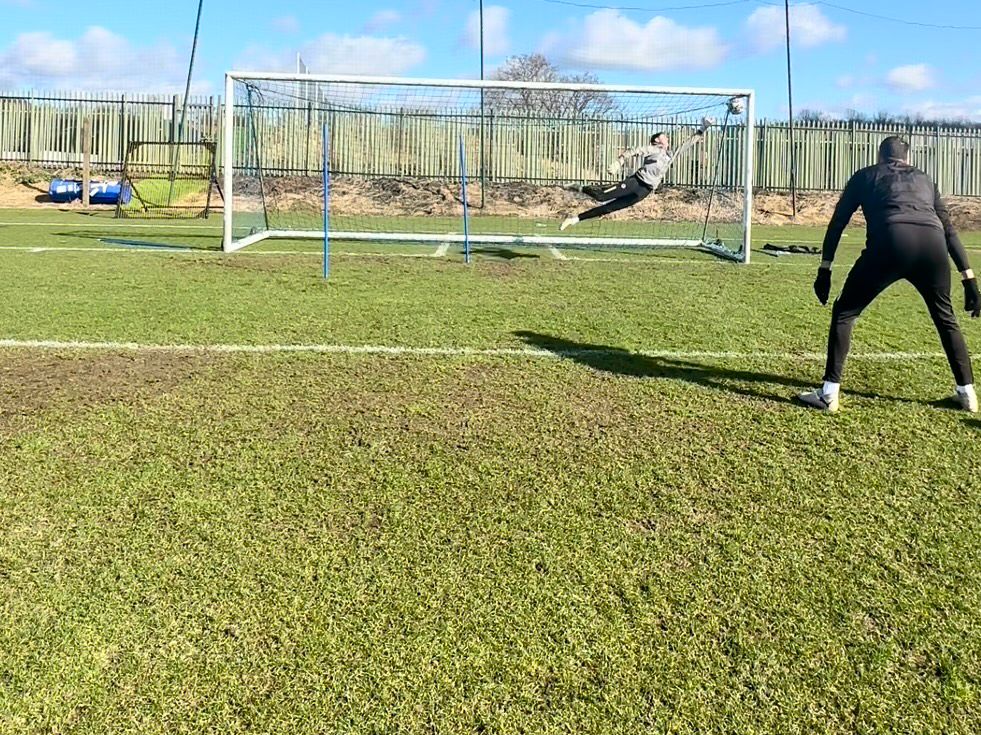
It's truly remarkable to witness their work ethic. These goalkeepers don't have off days; they approach every training session as if it's their last. Despite having very different personalities on and off the pitch, both Pickford and Becker share common traits that define world-class goalkeepers.
They expect to make spectacular saves – what we might call "worldies" – and when they do make a mistake, they have the mental resilience to move on quickly without letting it affect their performance. This ability to reset and refocus is crucial at the highest level.
What really sets them apart is their desire to make a difference for their team. They're the type of goalkeepers who will confidently come out to claim a cross in the 95th minute, never shying away from big moments. They want to be the difference-makers, the ones their teammates can rely on when it matters most.
Both Pickford and Alisson embody these qualities, which is why they're considered among the best in the world. Their combination of technical skill, mental strength, and unwavering commitment to excellence is what every aspiring goalkeeper should strive for.
The biggest takeaway from my time at Liverpool was working with two fantastic goalkeeper coaches: John Achterberg and Jack Robinson. Their approach to coaching was distinctive, with a significant emphasis on fitness, especially during pre-season, but this focus continued throughout the year.
One aspect that was new to me was their focus on strength and power. Initially, I wasn't sure about this approach, but by the end of my time there, I could clearly see the benefits. They emphasized that goalkeepers must have speed around the goal, not just in terms of physical movement, but also in thought and decision-making.
The power training was geared towards enabling goalkeepers to make those crucial big saves when needed. This comprehensive approach to goalkeeper training - combining technical skills, physical fitness, and mental agility - was truly world-class.
Working in this environment, I gained a deep appreciation for the level of detail and commitment required at the very top of the game. The Liverpool way of training goalkeepers is designed to develop all-round performers who can meet the demands of modern football, where goalkeepers are expected to be as comfortable with the ball at their feet as they are making saves.
This experience at Liverpool has significantly influenced my approach to goalkeeping and coaching, emphasizing the importance of a holistic training regime that develops all aspects of a goalkeeper's game.
I recognise that every goalkeeper is different, and at our current club, we're fortunate to have a sports psychologist available as an additional avenue of support. However, I find that simply talking to the goalkeepers and sharing my own experiences when it comes to mistakes is incredibly valuable.
For instance, if a goal is conceded due to poor positioning - maybe the keeper's starting position was too high or their stance too wide - I can relate to that. I'll break down the technical aspects, but more importantly, I focus on rebuilding their confidence throughout the week.
My approach is to speak to them as humans, not as robots or computer programs. We have conversations, we analyse, but we also discuss how to mentally move past errors and grow from them. This human element is crucial in goalkeeper coaching, as the position can be isolating and mentally challenging.
I find this aspect of the job - the mentoring and psychological support - to be the easiest and most natural part for me. It's where I can truly leverage my years of experience to help develop not just better goalkeepers, but more resilient and confident individuals.
By combining technical coaching with this empathetic, experience-based approach, I aim to create an environment where my goalkeepers feel supported, understood, and equipped to handle both the physical and mental demands of the position.
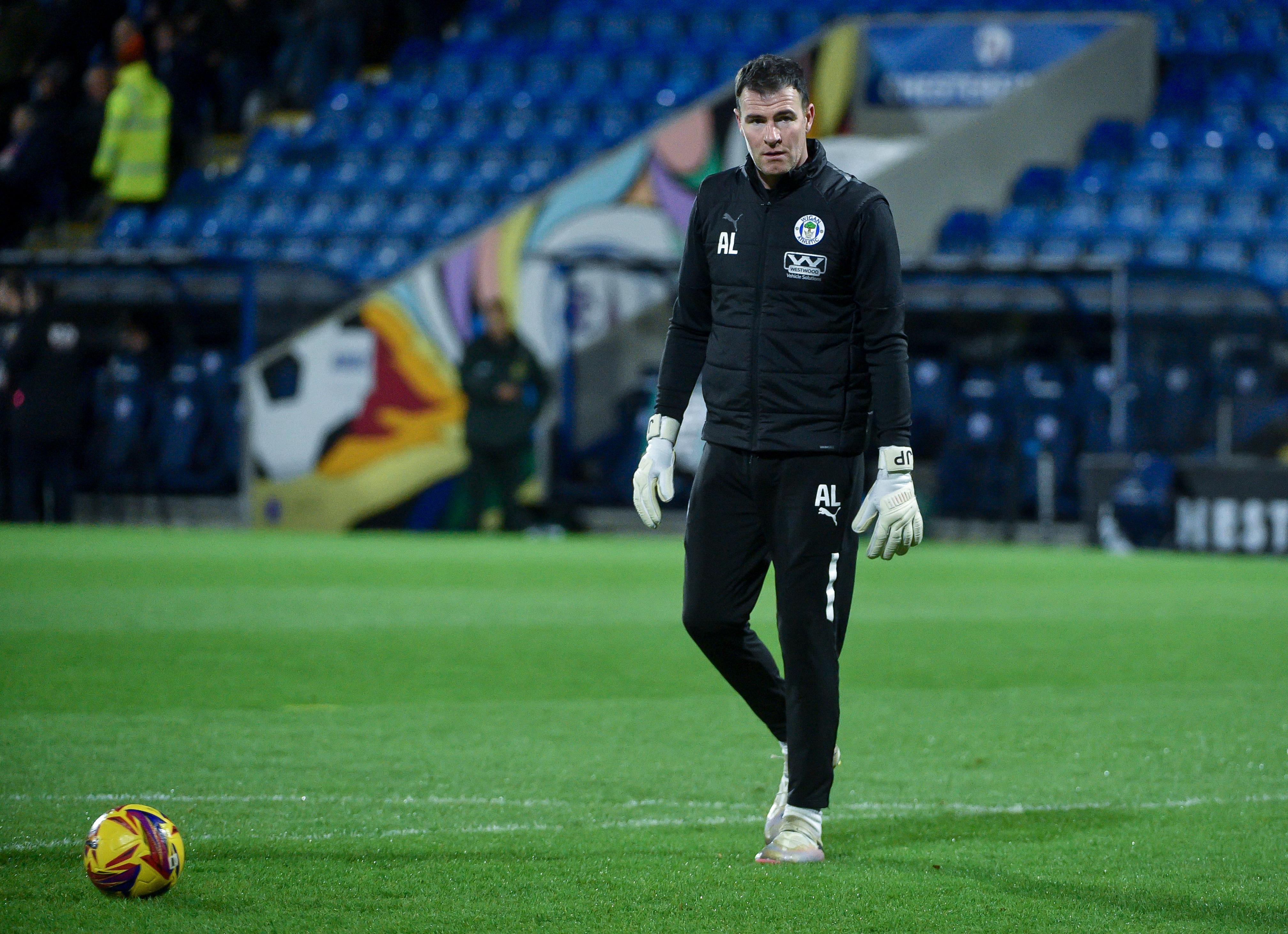
What I find particularly rewarding is the environment this creates. It's not just about individual progress but also about collective growth, where everyone supports and learns from each other. My personal coaching philosophy is centred around inclusivity; I believe in working with all goalkeepers, regardless of their position or stage in their career. I don't just focus on the first-choice goalkeeper; every player deserves attention and development.
This approach ensures that no one feels neglected or overlooked, which is crucial for building a cohesive team dynamic. By fostering an environment where every goalkeeper feels valued and supported, I aim to help them reach their full potential. The Goalkeeper A Licence has not only enhanced my technical knowledge but also reinforced the importance of creating a positive, inclusive coaching environment that benefits all goalkeepers under my guidance.
To gain as much experience as possible, I've been working with local non-league teams, girls' teams, and even my own academy. This allows me to engage with different levels of football, which I find incredibly rewarding. Typically, I dedicate four nights a week to coaching when my schedule permits.
What I've come to understand more deeply is the commitment required to be a successful coach. The hours are long, and the work is demanding, but I do it for the love of the game and the joy of seeing my goalkeepers improve. It's not just about the technical aspects; it's about building relationships, fostering growth, and creating an environment where players feel supported and motivated.
As coaches know, the time invested goes beyond just the sessions themselves. There's planning, analysis, and constant learning to stay updated with the latest techniques and strategies. Despite the challenges, my passion for goalkeeper coaching keeps me energized and motivated to continue developing as a coach and helping others grow in the sport.
Passion for goalkeeping is essential, but it's equally important to never stop learning. The moment you think you know it all is the moment you begin to stagnate. I would encourage young goalkeepers to be curious and proactive in seeking knowledge.
One of the most valuable experiences I've had is visiting clubs and speaking to as many people within the goalkeeping community as possible, both locally and globally. This exposure not only broadens your understanding of different coaching styles and philosophies but also helps you stay updated on the latest trends and techniques in goalkeeping.
Networking with other goalkeepers and coaches can provide insights into how different environments approach training, which can be invaluable in shaping your own development. Whether it's through formal coaching courses, informal discussions, or observing sessions at various clubs, embracing a lifelong commitment to learning will serve you well in your journey as a goalkeeper.
As our conversation with Andy Lonergan draws to a close, it's evident that his journey from accomplished goalkeeper to dedicated coach is a testament to the enduring power of passion and experience in football. With a career spanning multiple clubs and a wealth of knowledge gained from working with top-tier goalkeepers, Lonergan is now poised to make a lasting impact in the game. His commitment to continuous learning and his ambition to shape the next generation of goalkeepers will undoubtedly resonate with aspiring keepers across the globe. As he continues on his coaching path, Lonergan's influence is set to extend far beyond his current role, inspiring and guiding goalkeepers everywhere to reach new heights in their careers. .