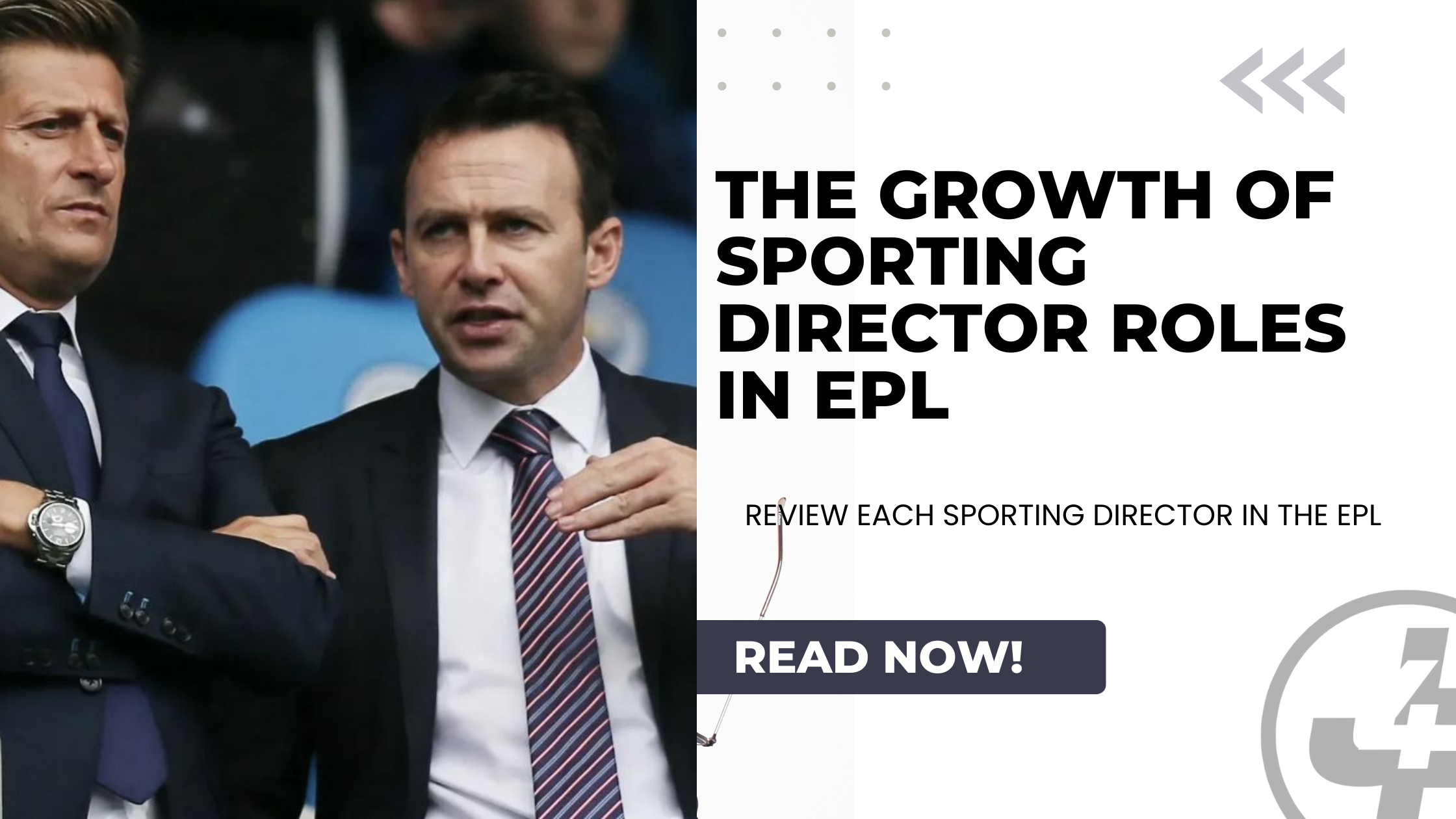
The Growth of Sporting Director Roles in Football: A Premier League Perspective
In recent years, the role of the
Sporting Director has become increasingly pivotal within football clubs, particularly in the English Premier League. This evolution reflects a broader shift in the way football clubs are managed, focusing on a more strategic and cohesive approach to team building, talent development, and overall football operations. The current landscape of the Premier League showcases a diverse array of sporting directors, each bringing unique expertise and perspectives to their respective clubs.
The Evolution of the Sporting Director Role
Traditionally, football clubs were primarily managed by the Head Coach or Manager, who was responsible for both team performance and transfer decisions. However, as the sport has grown into a multi-billion-dollar industry, the complexities involved in managing a successful football club have increased. This has led to the emergence of the sporting director role, which aims to bridge the gap between the business side of the club and the on-field performance.
Sporting Directors are tasked with overseeing the club's footballing operations, including player recruitment, youth development, and long-term strategic planning. This allows technical staff to focus more on coaching and match preparation, while ensuring that the club's footballing philosophy and vision are maintained consistently.
Premier League Sporting Directors: A Snapshot
The Premier League, widely regarded as one of the most competitive and high-profile football leagues in the world, has seen a significant rise in the number of clubs employing Sporting Directors or equivalent roles. Here is a closer look at the current sporting directors in the Premier League:
Arsenal: Edu serves as the Sporting Director, bringing his experience as a former player and a key figure in the club's recruitment strategy.
Aston Villa: Monchi, renowned for his successful tenure at Sevilla, now operates as the President of Football Operations, aiming to elevate Villa's competitive edge.
Bournemouth: Tiago Pinto and Simon Francis share responsibilities as the President of Football Operations and Technical Director, respectively, combining strategic oversight with a deep understanding of the club's culture.
Brentford: Phil Giles, as the Director of Football, has been instrumental in implementing data-driven approaches to player recruitment and development.
Brighton: David Weir, the Technical Director, plays a crucial role in maintaining Brighton's reputation for astute signings and player development.
Chelsea: The club employs a unique dual structure with Paul Winstanley and Laurence Stewart as Co-Sporting Directors, reflecting their ambitious and broad recruitment strategy.
Crystal Palace: Dougie Freedman and Ben Stevens operate as Sporting Director and Assistant Sporting Director, respectively, focusing on sustainable growth and talent development.
Everton: Kevin Thelwell, the Director of Football, is tasked with navigating the club through financial constraints while aiming for competitive stability.
Fulham: Tony Khan, as the Director of Football Operations, balances his responsibilities with other business interests, reflecting a modern approach to multi-sport ownership.
Ipswich Town: Gary Probert, the Director of Football Operations, brings a focus on long-term planning and youth development.
Leicester City: John Rudkin, as the Director of Football, has overseen the club's remarkable rise and continued emphasis on smart recruitment.
Liverpool: Richard Hughes and David Woodfine serve as Sporting Director and Assistant Sporting Director, respectively, underpinning Liverpool's strategic recruitment and performance analysis.
Manchester City: Txiki Begiristain, the Director of Football, has been a key architect of City's dominance through strategic signings and a global scouting network.
Manchester United: The club's
approach includes Dan Ashworth as Sporting Director and Jason Wilcox as Technical Director, indicating a comprehensive strategy towards restoring their competitive stature.
Newcastle United: The sporting director role is currently vacant, reflecting potential changes or strategic shifts within the club's structure.
Nottingham Forest: Ross Wilson and Kiriakos Dourekas serve as Chief Football Officer and Director of Football, respectively, bringing structured leadership to the club's football operations.
Southampton: The role is currently vacant, hinting at possible strategic realignment.
Tottenham Hotspur: Scott Munn and Johan Lange operate as Chief Football Officer and Technical Director, respectively, ensuring a cohesive approach to the club's footballing strategy.
West Ham United: Tim Steidten and Mark Noble serve as Technical Director and Sporting Director, combining external expertise with club legacy.
Wolverhampton Wanderers: Matt Hobbs, the Sporting Director, focuses on integrating the club's scouting and recruitment processes.
The Strategic Importance of Sporting Directors
The rise of the Sporting Director role signifies a strategic shift in football management. These professionals bring a holistic approach to club operations, ensuring that decisions are made with a long-term vision. By overseeing recruitment, youth development, and overall football strategy, Sporting Directors help clubs navigate the complexities of modern football, balancing financial constraints with competitive ambitions.
One clear example of the strategic importance of sporting directors is Brentford's approach under Phil Giles. Brentford has become known for its data-driven recruitment strategy, identifying undervalued talent through sophisticated statistical analysis. This approach has allowed Brentford to compete successfully despite financial limitations, exemplifying how strategic planning and innovative thinking can bridge the gap between lower-budget clubs and their wealthier competitors.
Similarly, Brighton's success under David Weir highlights the benefits of having a sporting director with a strong focus on youth development and international scouting. Brighton's ability to consistently identify and develop young talent, such as Yves Bissouma and Tariq Lamptey, has been instrumental in the club's rise in the Premier League. This approach not only provides a steady stream of talent for the first team but also generates significant transfer revenue, reinforcing the club's financial stability.
At Manchester City, Txiki Begiristain has played a crucial role in building one of the most formidable squads in world football. Begiristain's strategic oversight has ensured that City not only acquires top talent but also develops a cohesive team that plays a distinct brand of football. His global scouting network and emphasis on youth development have created a sustainable model for success, where short-term triumphs are underpinned by long-term planning.
Liverpool's recruitment strategy under Richard Hughes and David Woodfine has also garnered praise. Their meticulous approach to player acquisitions, focusing on both talent and character, has been key to Liverpool's recent successes, including their Champions League and Premier League titles. This strategic recruitment has allowed Liverpool to build a squad with depth and versatility, capable of competing at the highest level across multiple seasons.
Sporting directors also play a vital role during times of transition. When a club undergoes managerial changes, the sporting director ensures continuity and stability. This was evident at Tottenham Hotspur, where the appointments of Scott Munn and Johan Lange have provided a strategic framework to support new managerial philosophies and maintain the club's competitive edge.
The growth of the sporting director role within the Premier League highlights the evolution of football club management. As the demands of the sport continue to escalate, the expertise and strategic oversight provided by sporting directors have become indispensable. By integrating business acumen with footballing insight, these professionals are shaping the future of the game, ensuring that clubs can compete at the highest level while maintaining a sustainable and long-term vision.
The success stories of clubs like Brentford, Brighton, Manchester City, and Liverpool underscore the importance of having a dedicated sporting director. These individuals not only enhance the operational efficiency of the clubs but also drive them towards sustained success, illustrating that in the modern era of football, strategic planning and visionary leadership are as crucial as on-field performance.