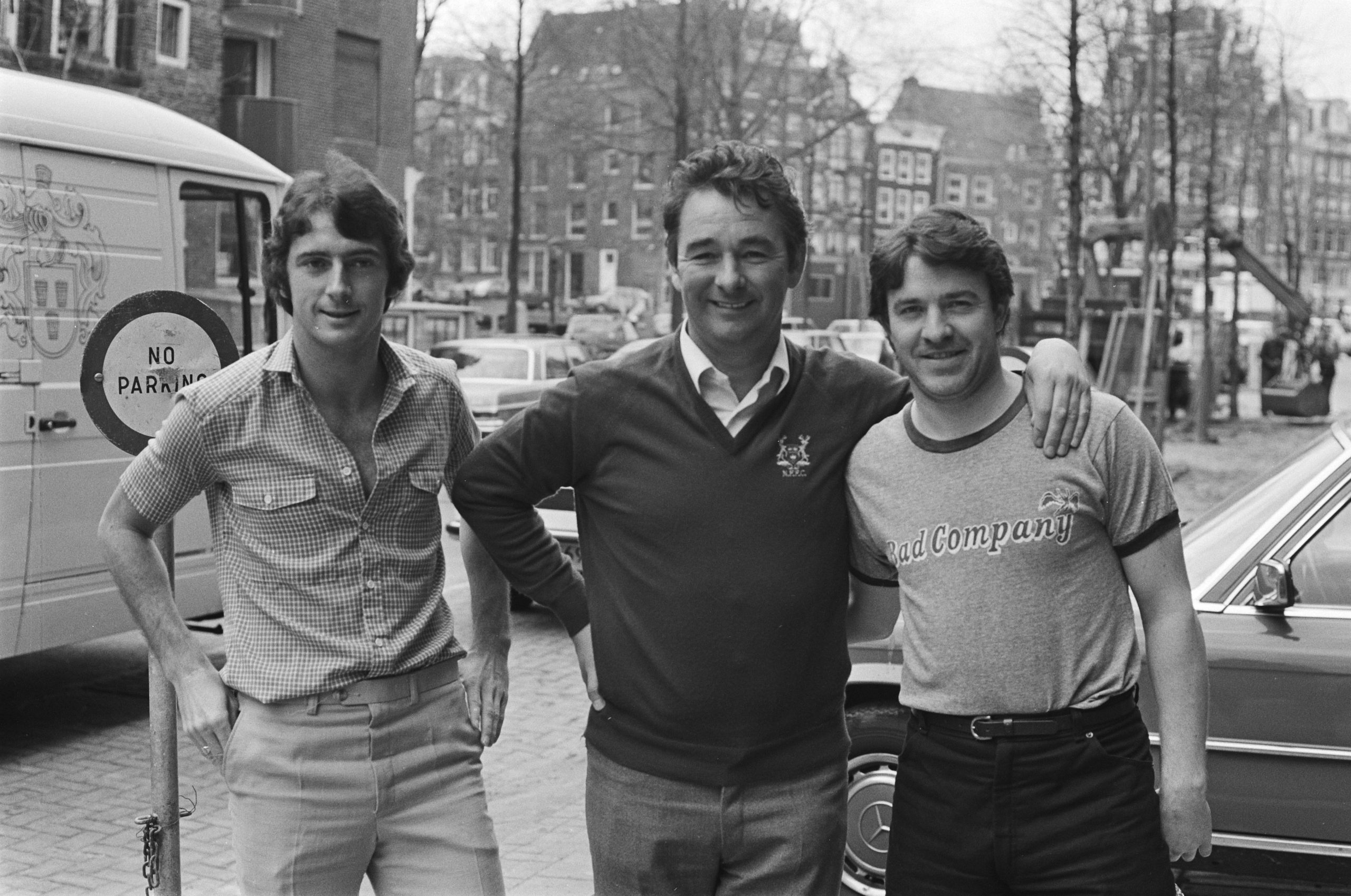
When it comes to the discussion of football managers who left an indelible mark on the game, few names resonate as strongly as Brian Clough. Known for his audacious character, sharp wit, and unconventional leadership style, Clough was one of the most successful and controversial managers in English football history. His managerial career, particularly at Derby County and Nottingham Forest, was characterized by a unique approach to man management that was as effective as it was unconventional.
Defining 'Man management' a la Clough
At the core of Clough's approach to management was his belief in the power of individual relationships. Clough's management style was not about rigid systems or unyielding tactics; instead, it was centred around understanding his players as individuals and using that knowledge to motivate and inspire them.
Clough once famously said, "Players lose you games, not tactics. There's so much crap talked about tactics by people who barely know how to win at dominoes." His approach was built on the conviction that the individuals in a team, their morale, commitment, and belief, were far more important than any tactical master plan.
Empathy and Respect
Clough's style was based on a strong sense of empathy and respect for his players. He was known to take time to get to know his players personally, understanding their strengths, weaknesses, and personal circumstances. This humanistic approach allowed him to connect with his players on a deeper level, enabling him to motivate and inspire them in ways that other managers could not.
Yet, his respect for his players never stood in the way of discipline. Clough was known for his strict, no-nonsense approach to discipline. He famously threw a pair of boots into the crowd after a poor performance by a player, declaring that if the player wasn't going to use them properly, someone else might as well have them.
Taking the Road Less Traveled
Brian Clough was not afraid to take risks and make unorthodox decisions. He often made bold decisions that went against the grain, such as signing older, experienced players when others were focused on youth development. He was unafraid to make unpopular choices if he believed it was for the betterment of the team.
One of the best examples of this was when he took over as manager of Nottingham Forest in 1975. At the time, the club was languishing in the second division. Within a few years, he led them to win the English First Division (now Premier League) and back-to-back European Cups in 1979 and 1980, a feat that remains one of the greatest in English football history.
Here are some examples that illustrate his distinctive style:
- Direct Interactions with Players: Before the 1979 European Cup final, Clough had a player shave off his facial stubble, which he usually kept for superstition. The player had to use Clough's razor as all his stuff was already loaded onto the coach. This small, personal interaction helped to distract the player from the pressure of the upcoming match, showing Clough's knack for man management1.
- Brutal Honesty: Clough was known for his direct, often brutal approach. A story from Stuart Pearce recalls how a new signing, Dave Currie, was asked by Clough if he had found a house yet. When Currie said no, Clough told him not to bother, indicating he was no longer wanted at the club after just three weeks. Pearce claimed this was typical of Clough's straightforward manner2.
- Humour in Tough Situations: After an incident where Arsenal goalkeeper Pat Jennings was hit by a dart thrown by a Forest fan, Clough sent a letter to Jennings saying he had "absolutely no sympathy," and that it was "of no surprise" that Jennings stopped the dart, given his reputation as a great goalkeeper. This showed Clough's ability to inject humour into serious situations2.
- Dislike for Leeds United: When Gary McAllister chose to sign for Leeds United instead of Nottingham Forest during Clough's second spell in charge, Clough was notably displeased. This is reflective of Clough's well-known dislike for Leeds United2.
- Discipline and Authority: When Wimbledon FC visited Forest with a loud ghetto blaster, Clough was not pleased. After asking them to turn it down twice with no success, he went to their dressing room himself, smashed the ghetto blaster, and told them to play their music now. This story, retold by goalkeeper Mark Crossley, demonstrates Clough's assertiveness and authority2.
In conclusion
Brian Clough's approach to man management was a powerful mix of respect, discipline, individual attention, and unorthodox decision-making. His belief in the power of the individual, his willingness to take risks, and his unique style of leadership set him apart from his peers and established him as one of the most successful managers in football history.
Through his example, Clough reminds us that the key to successful leadership lies not in rigid systems or complex tactics, but in the ability to inspire, motivate, and understand the individuals you are leading. His legacy in man management serves as a powerful lesson for leaders in any field, reminding us that the key to success often lies in taking the road less travelled and placing faith in the power of the individual.